A Glimpse into Revolutionary Immersive Storytelling
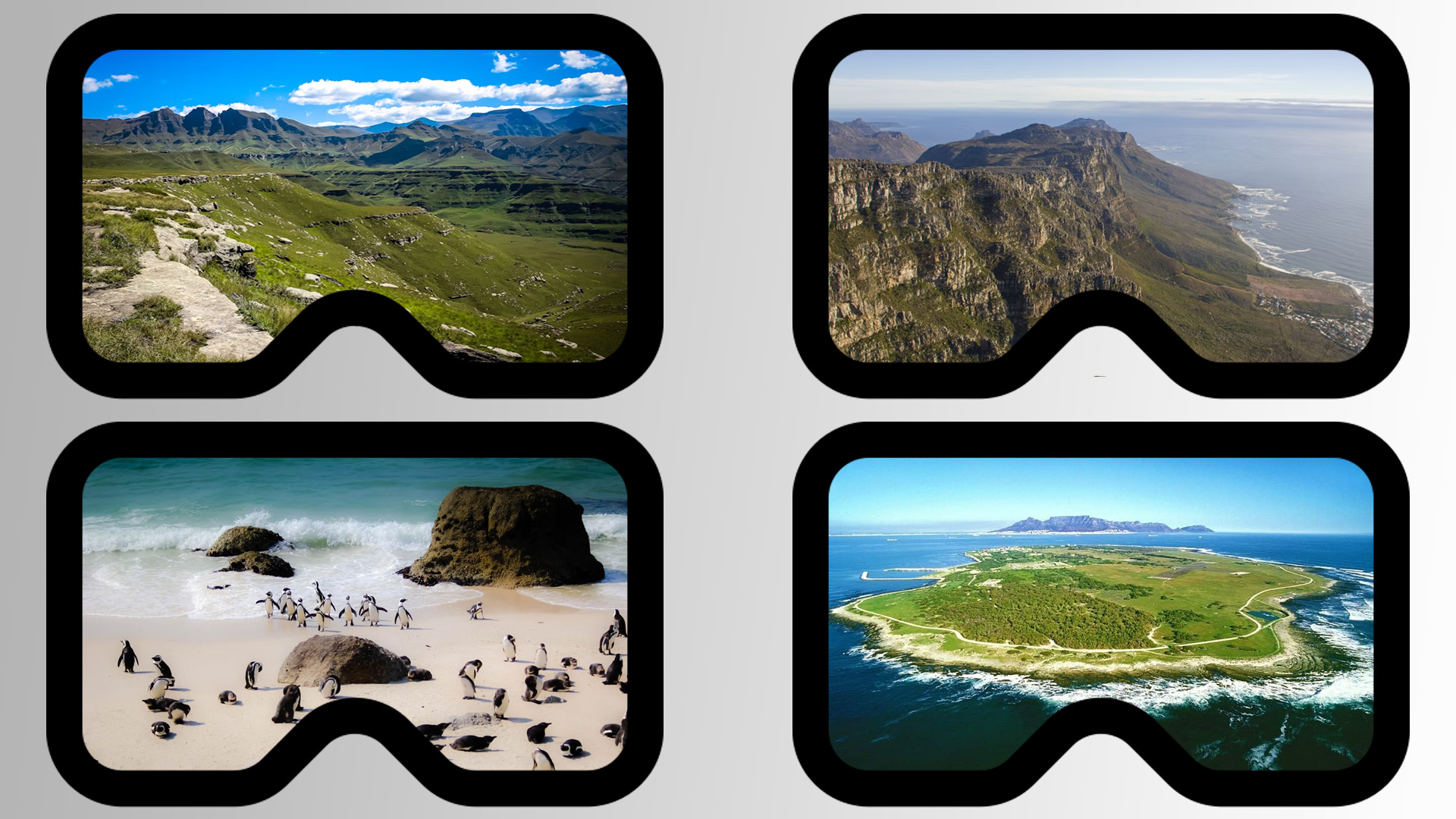
Imagine standing on the rim of South Africa’s Blyde River Canyon, the world’s third-largest, feeling the vertigo of its dizzying drop without leaving your living room. Or strolling through Robben Island’s prison corridors where Nelson Mandela once walked, guided by a virtual docent who reconstructs fragments of history before your eyes. This is no longer science fiction—it is the emerging reality of tourism in the Metaverse. South Africa, with its unparalleled blend of wildlife, cultural diversity, and historic landmarks, is poised to harness immersive VR and 360° storytelling to reimagine travel. As gamification trends infiltrate virtual events in 2025, tourism stands at the precipice of a similar transformation: one where digital journeys both inspire and prepare travelers for the physical ones.
Virtual Safaris and Wildlife Encounters
Reimagining Safari Access
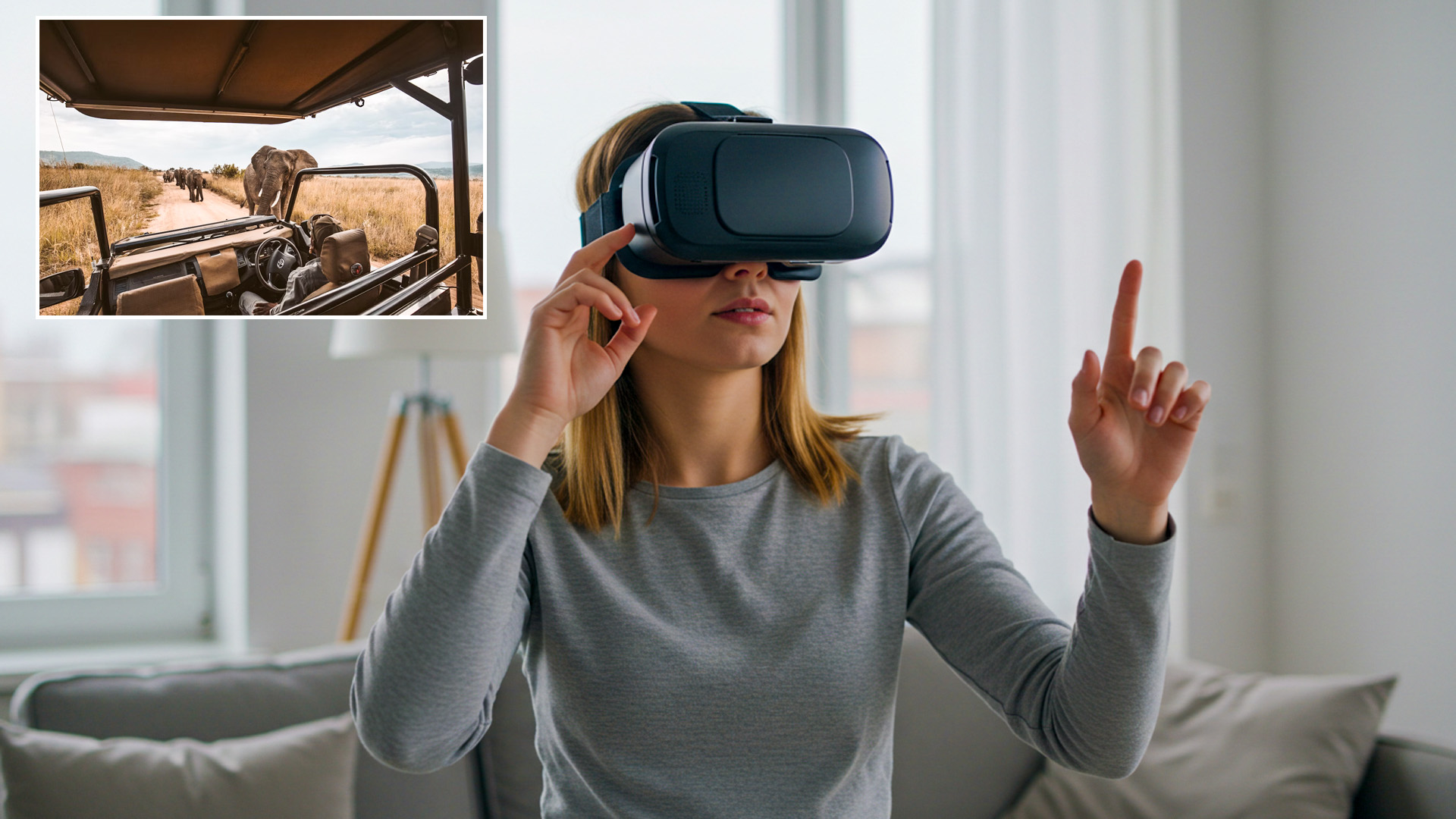
For many, the idea of a safari conjures images of open jeeps on dusty roads, binoculars in hand, searching for the “Big Five.” Yet cost, distance, and physical limitations exclude countless people from such an adventure. Virtual reality offers a democratized gateway—visitors can experience a lion’s golden gaze or elephants crossing a river without booking a flight. Unlike static documentaries, VR safaris allow participants to look around, hear the crackle of dry grass, and even follow different animals depending on where they turn their heads. This sense of agency transforms passive observation into active exploration.
Consider a hypothetical traveler in São Paulo who longs for Kruger National Park but cannot afford the journey. Through a headset, she embarks on a gamified quest where her success depends on identifying animal tracks and making ethical conservation decisions. Each choice deepens her connection to South Africa’s ecosystems while subtly educating her about conservation challenges. By blending entertainment and authenticity, VR safaris not only promote tourism but also generate empathy and awareness—two currencies crucial to sustainable travel in the twenty-first century.
Conservation Through Immersion
Conservation organizations have begun to recognize VR as a potent storytelling ally. While traditional campaigns rely on photographs of endangered species, immersive experiences thrust viewers into fragile habitats, confronting them with the urgency of preservation. In South Africa, where rhino poaching remains a devastating threat, virtual tours of sanctuaries can elicit visceral reactions that numbers and charts alone cannot achieve. The difference between reading about dwindling populations and standing—virtually—beside a dehorned rhino is the difference between sympathy and action.
Picture a global fundraising gala where attendees don headsets and walk through a digitally reconstructed savannah at dusk. Suddenly, the silence is shattered by distant gunfire, and guides explain the impact of poaching. The emotional gravity leaves donors with a lasting impression, often spurring greater contributions. In this way, VR transcends tourism marketing, becoming a vehicle for activism. South Africa’s wildlife tourism industry thus gains not only new revenue streams but also a strengthened role in global conservation narratives.
Economic Accessibility and Inclusivity
Virtual safaris also open doors for South Africans themselves. Domestic travel is often hampered by geographic or economic barriers, with many citizens never setting foot in iconic reserves. By offering immersive experiences through community centers, schools, and even mobile devices, VR ensures broader national participation in the country’s natural heritage. It becomes an educational tool as much as a promotional one, cultivating pride and curiosity in younger generations who may later pursue careers in ecotourism or wildlife sciences.
Accessibility extends further: individuals with disabilities, elderly travelers, or those wary of physical risks can now enjoy safaris from safe environments. These audiences, once marginalized from mainstream tourism, find inclusion through digital innovations. By reframing safaris as multi-layered—physical, digital, and hybrid—South Africa positions itself as not only a leader in biodiversity tourism but also in equitable experiences that reflect global values of inclusivity and sustainability.
Heritage Sites Reconstructed in Virtual Realms
Resurrecting Lost Architecture
Time, weather, and human activity erode monuments, leaving fragments of South Africa’s history at risk of oblivion. Virtual reconstructions act like digital archaeologists, piecing together ruins into interactive wholes. Imagine standing amidst the ancient stone walls of Mapungubwe, once a thriving kingdom, and watching holographic traders carry gold artifacts across bustling marketplaces. These reconstructions do not replace the physical sites but complement them, offering pre-visit context and post-visit enrichment. For students, scholars, and global audiences, they are time machines that restore what geology and neglect have obscured.
The analogy of a palimpsest is apt: where layers of history are written, erased, and rewritten on the same parchment. VR heritage projects unearth those erased lines, allowing us to glimpse the “drafts” of civilization that preceded us. In South Africa, this could mean walking through District Six before its forced removals, hearing the echoes of jazz clubs and family conversations. The medium transforms absence into presence, absence into dialogue, and ensures that heritage is not relegated to textbooks alone.
Emotional Storytelling at Landmarks
Unlike museum plaques that list dates and names, VR has the capacity to craft emotional journeys. Consider the Apartheid Museum enhanced with VR modules: a visitor dons a headset and finds themselves in a 1970s protest march, surrounded by chanting crowds, police sirens, and tension palpable enough to quicken the heart. By humanizing statistics through sensory immersion, these reconstructions build empathy across cultures and generations. For international visitors, such experiences transform South African history from distant abstraction into lived reality.
Gamification further enriches this dynamic. A VR reconstruction of the Voortrekker Monument, for instance, might include puzzle-solving quests based on historical artifacts, prompting visitors to decode symbolism or retrace migration routes. These layers of interaction blur the line between education and play, appealing to younger audiences raised on interactive media. In 2025, as gamified virtual events trend worldwide, South Africa’s heritage tourism stands to gain renewed relevance among digital natives who crave not just knowledge, but experiential resonance.
Cultural Preservation for Future Generations
The Metaverse does more than revive past structures—it safeguards intangible heritage. Indigenous dances, oral traditions, and rituals can be captured in volumetric video, ensuring they endure beyond fading memories. For example, a Zulu ceremony might be recorded in full 360°, allowing future generations to witness choreography and symbolism that might otherwise disappear. This archive becomes a living classroom where cultural continuity is preserved not in fragile tapes but in immersive environments resilient to time’s erosion.
In practice, such preservation fosters intergenerational dialogue. A teenager in Cape Town can virtually participate in a San storytelling circle, hearing myths about the stars told by elders hundreds of kilometers away. These encounters bridge temporal and spatial divides, proving that culture, when digitized with respect and accuracy, does not fossilize—it thrives. By amplifying cultural voices through VR, South Africa asserts that its heritage is not only a tourist attraction but also a global contribution to human diversity and wisdom.
Remote Previews of Landmarks and Destinations
Try Before You Travel
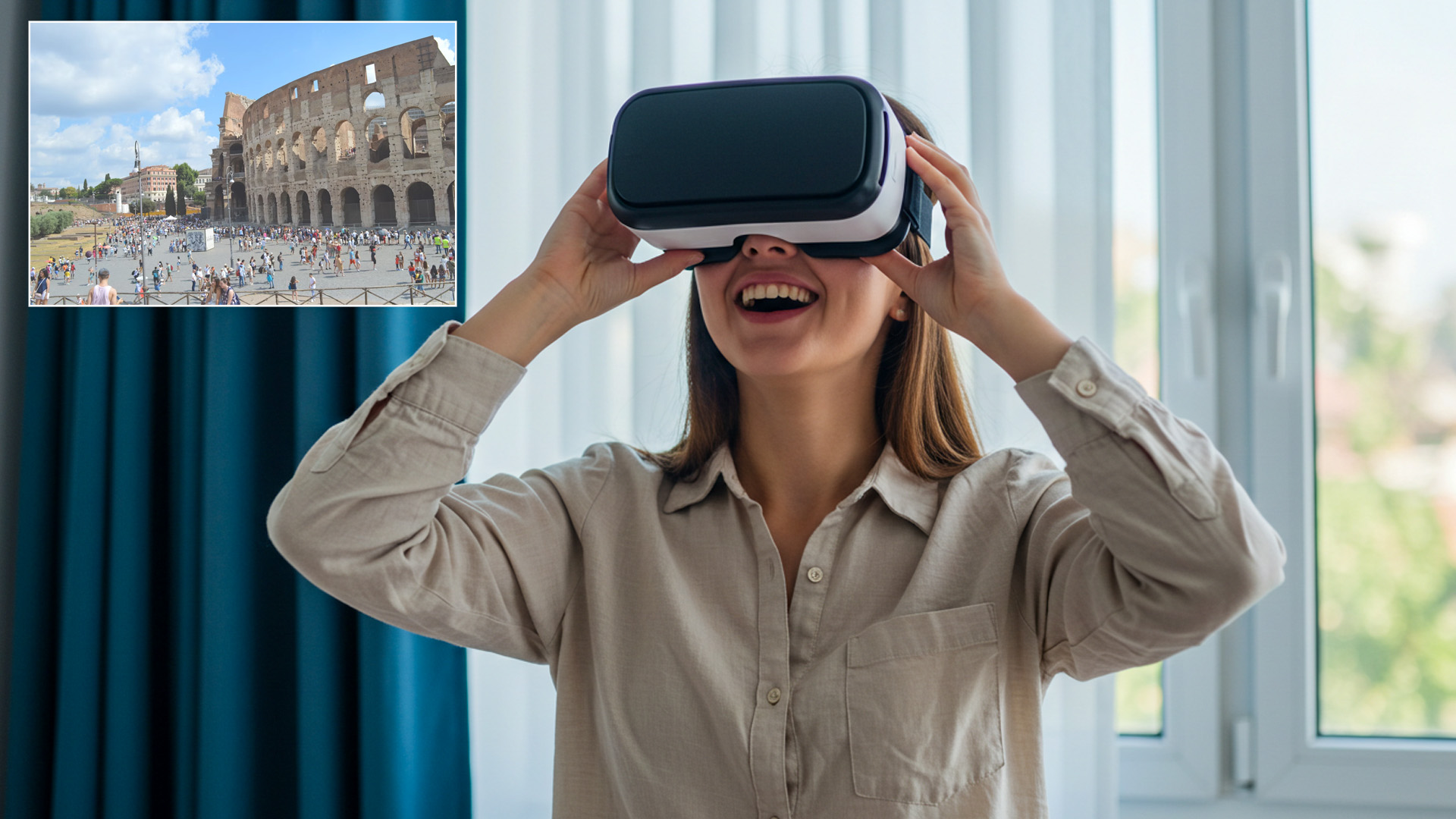
Booking a journey often involves uncertainty: Will the lodge live up to its photographs? Is the hiking trail too difficult? VR eliminates such doubts by providing remote previews of destinations. A family in Berlin can virtually walk through Table Mountain’s hiking paths, assessing difficulty and views before committing to the trip. This “try before you buy” approach mirrors the retail industry’s use of AR fitting rooms, except the stakes are higher: vacations involve significant investments of time and money. By reducing risk, VR nudges hesitant travelers toward actual bookings.
The psychology here is akin to dipping one’s toes into a swimming pool before diving in. The initial sample reassures the senses, builds anticipation, and lessens hesitation. For South African tourism boards, VR previews become persuasive sales funnels, converting interest into action. The digital sampling of safari lodges, Cape Winelands vineyards, or Durban beachfronts ensures that marketing shifts from static brochures to living simulations. The more vivid the preview, the more compelling the promise of the real journey.
Personalized Travel Narratives
Unlike one-size-fits-all brochures, VR enables personalized travel planning. Algorithms can tailor previews to highlight experiences relevant to each user—an adventure seeker might explore shark cage diving, while a cultural enthusiast tours the Iziko South African Museum. By combining data-driven personalization with immersive visuals, the Metaverse crafts unique narratives for every potential visitor. This customization echoes the storytelling power of a seasoned tour guide who adjusts tales to captivate their audience, except now the guide is algorithmic and scalable.
Such personalization also nurtures inclusivity. A traveler with mobility challenges can preview whether facilities are wheelchair accessible, while parents can assess family-friendliness before embarking on a long-haul flight. In 2025, where travelers increasingly demand authenticity and alignment with personal values, these tailored experiences provide reassurance. South Africa, by offering previews that respect individual needs, demonstrates both hospitality and technological sophistication—a combination that sets it apart in a crowded global tourism market.
Hybrid Experiences for Modern Travelers
The future of tourism may not be a binary choice between digital and physical, but a fusion of both. A traveler might begin with VR previews, book a trip, and then return to the Metaverse after the journey to relive memories or share them socially. This cyclical model blurs the distinction between marketing, experience, and nostalgia. Tourism becomes not a one-time event but a continuum of interactions across platforms. For South Africa, the hybrid model ensures prolonged engagement with visitors long after they’ve returned home.
Imagine a gamified “memory map” where a traveler logs their physical visit to Cape Town and later unlocks VR content that expands on hidden stories or behind-the-scenes access. Such interplay deepens loyalty, encouraging repeat visits and advocacy. Hybrid experiences also align with sustainability goals: fewer physical visits may be needed for impact, reducing environmental strain while maintaining economic benefits. As South Africa balances conservation with tourism growth, hybrid Metaverse integration emerges as both a technological innovation and an ecological necessity.