
Virtual reality (VR) has long been associated with gaming and entertainment, yet its influence stretches far beyond immersive worlds for leisure. Industrial sectors—spanning manufacturing, engineering, and design—are rapidly adopting VR technologies to rethink workflows, streamline processes, and enhance both safety and cost-efficiency. By creating digital twins, interactive simulations, and collaborative virtual spaces, VR is no longer a novelty but a fundamental tool reshaping how industries operate. This article examines the industrial applications of VR, analyzing its impact on efficiency, safety, and financial outcomes while exploring the broader implications for workforce and organizational strategies.
Virtual Reality in Manufacturing
The manufacturing industry, traditionally reliant on assembly lines, heavy machinery, and complex logistics, faces unique challenges: production errors, costly downtime, and worker safety risks. VR is now being harnessed to mitigate these challenges through immersive simulations and digital modeling.
Manufacturers can create virtual replicas of production floors, complete with machinery, tools, and processes. Workers navigate these virtual spaces to practice assembly procedures, test operational workflows, or troubleshoot equipment without risking injuries or halting production lines. This not only reduces training costs but also accelerates onboarding, as employees gain hands-on experience in a risk-free environment.
Digital twins—real-time virtual models of physical systems—play a critical role in this transformation. By integrating VR with IoT sensors on actual machinery, manufacturers can simulate production scenarios, predict bottlenecks, and optimize workflow sequences. Such predictive modeling allows for data-driven adjustments before implementing costly changes on the factory floor. The result is improved operational efficiency, minimized errors, and reduced material waste.
Moreover, VR facilitates remote collaboration across geographically dispersed teams. Engineers and production managers can convene within virtual factory spaces, reviewing layouts, testing machinery configurations, and making iterative adjustments without travel. This not only reduces logistical costs but also shortens project timelines, reinforcing VR’s value as a tool for both efficiency and fiscal prudence.

Engineering Workflows and VR
Engineering disciplines—mechanical, civil, and aerospace—are increasingly embracing VR to accelerate design, testing, and validation. Traditional engineering cycles involve extensive prototyping, lab tests, and field trials, all of which are time-intensive and resource-heavy. VR offers a paradigm shift by allowing engineers to interact with virtual models in three dimensions before any physical prototype exists.
Consider a mechanical engineering project developing a new industrial robot. With VR, engineers can simulate kinematic movements, evaluate operational ergonomics, and test safety protocols in a fully immersive environment. Potential failures can be identified early, preventing costly errors during manufacturing or field deployment. The iterative process becomes faster, more precise, and less dependent on material resources.
Civil and structural engineers are leveraging VR to visualize construction projects in situ. By importing CAD and BIM models into virtual reality, teams can walk through proposed designs, assess structural integrity, and identify spatial conflicts before ground is broken. This proactive approach reduces redesign costs, prevents construction delays, and enhances client communication, as stakeholders can experience projects firsthand in VR.
VR also enhances collaborative problem-solving. Teams from different engineering disciplines—mechanical, electrical, structural—can converge in shared virtual environments to evaluate design interactions. This cross-functional synergy reduces miscommunication, ensures design consistency, and accelerates project timelines. In essence, VR acts as both a design accelerator and a quality assurance tool.
Design Workflows Reimagined
Industrial design benefits immensely from VR by bridging the gap between concept and reality. Designers can explore materials, aesthetics, and ergonomics in an interactive 3D space, enabling iterative improvements that were previously impossible at early stages.
Product design is no longer confined to sketches or 2D renderings. Virtual prototypes allow designers to manipulate shapes, test assembly feasibility, and simulate user interactions. For example, an automotive interior designer can virtually step into a car cockpit to assess reachability, visibility, and spatial comfort. Early-stage adjustments are cost-effective, as changes do not require physical mock-ups or retooling.
VR also facilitates immersive customer feedback. Stakeholders, clients, or end-users can experience prototypes virtually, providing actionable insights before production begins. This level of engagement not only ensures the final product aligns with user expectations but also strengthens the collaboration between designers and decision-makers.
Moreover, VR accelerates design innovation by supporting experimental workflows. Designers can test unconventional materials, modular configurations, or entirely new user interfaces in a simulated environment. By reducing reliance on physical prototypes, companies achieve significant cost savings while fostering creative exploration.
Enhancing Efficiency Through VR
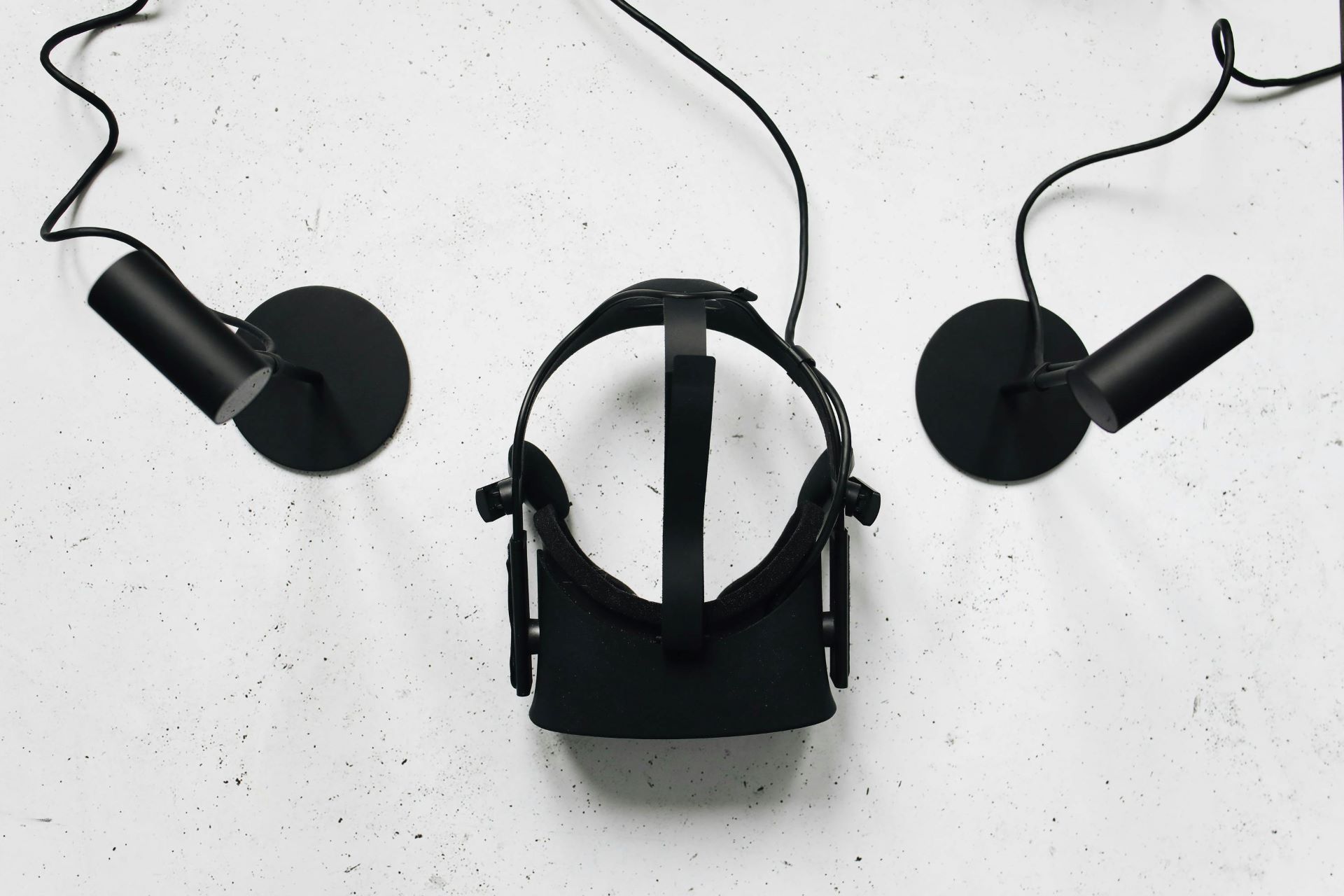
Across manufacturing, engineering, and design, VR drives efficiency through several interconnected mechanisms. First, immersive simulations reduce the time required for training and prototyping. Employees and engineers can familiarize themselves with complex systems virtually, decreasing downtime caused by errors or missteps. Second, VR enables predictive analysis and scenario testing, preventing inefficiencies before they occur. Finally, remote collaboration tools allow distributed teams to make decisions faster, cutting the need for extensive travel or prolonged review cycles.
Studies indicate that companies implementing VR in industrial contexts experience measurable improvements in operational speed. For instance, assembly line setups that once required weeks of trial and error can now be simulated and optimized in days. Similarly, engineering validation processes are condensed, reducing overall project durations and enhancing resource allocation.
Safety and Risk Management
Industrial environments are inherently hazardous. Workers face risks ranging from mechanical injuries to exposure to toxic substances. VR mitigates these risks by providing a safe environment to train, practice, and assess emergency procedures. Safety drills can be conducted virtually, simulating hazardous scenarios without endangering personnel. Employees can rehearse evacuation plans, machine shutdown protocols, and incident responses repeatedly until proficiency is achieved.
Furthermore, VR aids in predictive safety analysis. By simulating potential failure scenarios, organizations can identify vulnerabilities in machinery, processes, or workspaces before accidents occur. This proactive approach not only protects employees but also reduces the financial and reputational costs associated with workplace incidents.
Cost-Effectiveness and ROI
Implementing VR in industrial settings requires initial investment in hardware, software, and integration. However, the long-term return on investment (ROI) is significant. Reduced training costs, minimized prototype expenditure, shortened project cycles, and lower incidence of accidents all contribute to tangible savings.
Digital twin technology alone can prevent millions in lost productivity by predicting equipment failures or optimizing production layouts. VR-enabled remote collaboration reduces travel expenses and accelerates decision-making. Even incremental efficiency gains—such as identifying small workflow bottlenecks—compound into substantial financial benefits over time.
Companies adopting VR also gain a competitive advantage. Faster design iterations, safer workplaces, and more efficient production pipelines translate into higher-quality products delivered on time and within budget. In a global marketplace where speed and precision matter, VR becomes a strategic asset rather than a luxury.
Workforce Implications
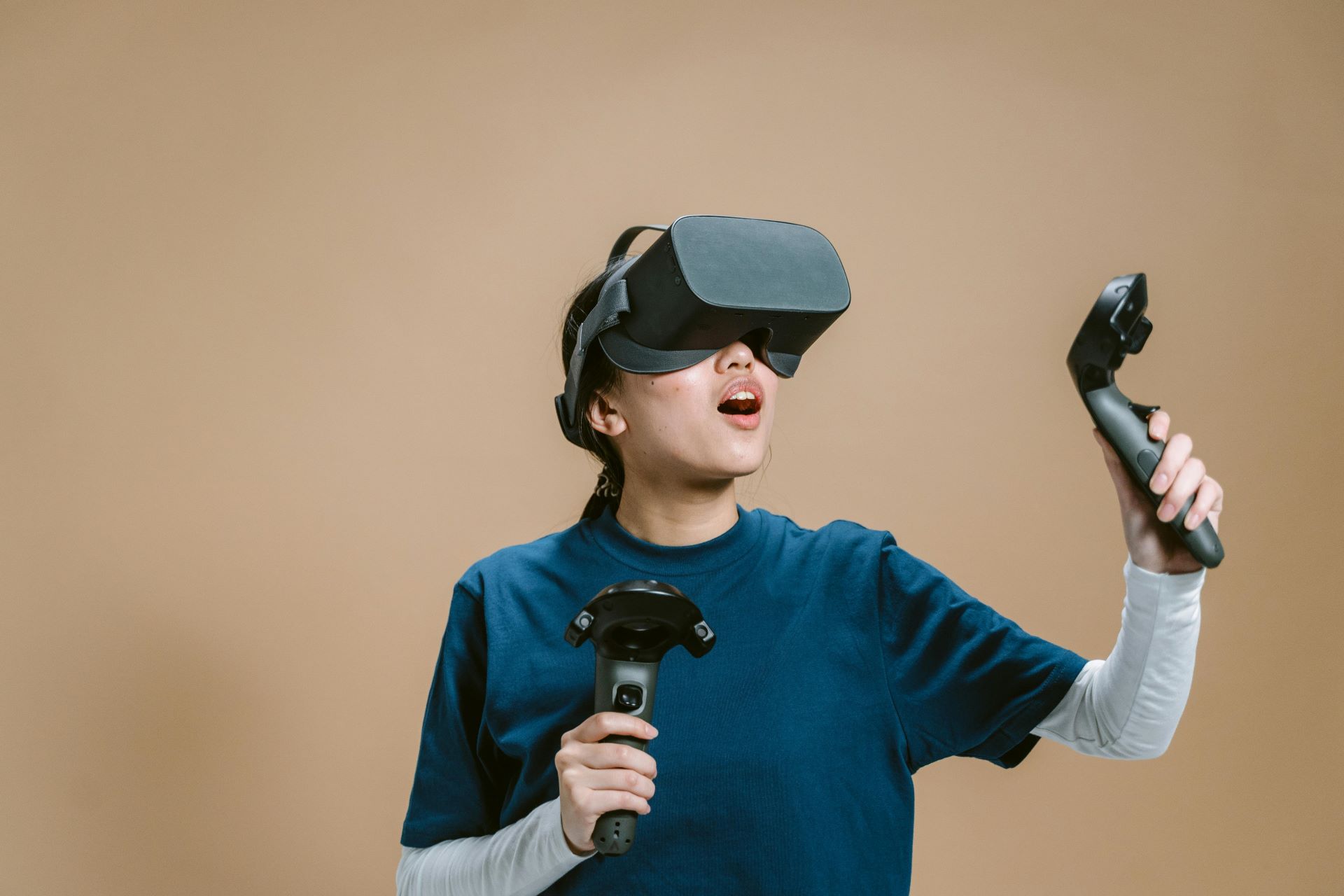
The integration of VR into industrial processes reshapes workforce dynamics. Employees are expected to acquire new digital skills, navigate virtual environments, and engage with immersive simulations regularly. Organizations must invest in training programs that combine VR fluency with domain expertise. However, the payoff is a workforce better equipped to handle complex tasks with higher precision and safety awareness.
Moreover, VR opens opportunities for remote collaboration, making geographical boundaries less relevant. Experts can participate in projects from across the globe, contributing specialized knowledge without being physically present. This democratization of expertise enhances project outcomes and creates a more agile, responsive industrial workforce.
Future Outlook
As VR technology advances, its industrial applications will continue to expand. Integration with artificial intelligence (AI), machine learning, and augmented reality (AR) will enable even more sophisticated simulations, predictive analytics, and real-time decision-making. The concept of the “smart factory”—where virtual and physical systems operate seamlessly—relies heavily on VR as a foundational technology.
Industrial VR will also become more accessible. Hardware costs are decreasing, software solutions are becoming more intuitive, and VR content libraries are expanding. Small and medium-sized enterprises, previously deterred by high adoption barriers, will increasingly leverage VR to optimize operations, innovate in design, and ensure workplace safety.
Ultimately, VR is not just a tool but a transformative framework that reshapes industrial thinking. By integrating immersive simulations, digital twins, and collaborative virtual environments, industries can operate more efficiently, safely, and cost-effectively than ever before.
Virtual reality’s industrial applications extend across manufacturing, engineering, and design, delivering profound improvements in efficiency, safety, and financial outcomes. From immersive training and prototyping to predictive maintenance and collaborative design, VR empowers organizations to optimize workflows and reduce risk. As the technology matures and adoption becomes more widespread, VR will solidify its role as an indispensable component of modern industrial strategy. The factories, design studios, and engineering labs of the future will not only operate in physical space but thrive in a parallel digital reality, where imagination, efficiency, and precision converge.