

What is a Metaverse Platform? A Beginner’s Guide
Entering a New Dimension of Digital Experience
In today’s rapidly evolving digital landscape, the concept of a metaverse platform emerges as both a technological marvel and a cultural revolution. Imagine stepping into a world where digital and physical realities intertwine, much like an expansive virtual playground that evolves with every interaction. This realm is not merely a futuristic fantasy but an emergent ecosystem where creativity, commerce, and community converge. As users navigate these intricately designed digital environments, they experience an unprecedented level of immersion, reminiscent of entering a vividly rendered alternate universe. Whether through engaging virtual economies, social interactions that transcend geographical barriers, or groundbreaking technological innovations, metaverse platforms are redefining how we perceive and interact with digital content. This narrative embarks on a journey to demystify the metaverse, illuminating its architecture, technological underpinnings, societal implications, and the transformative potential it holds for our collective future.
Understanding the Metaverse Ecosystem
Defining the Metaverse Landscape
The metaverse, a term once confined to the pages of speculative fiction, now encapsulates a complex digital ecosystem where users inhabit immersive, interactive environments. Picture a colossal digital amphitheater where avatars traverse fantastical landscapes, engage in collaborative projects, and build communities that mirror—and sometimes transcend—the physical world. In this dynamic milieu, digital objects and virtual spaces are constructed with layers of intricate detail, often underpinned by decentralized technologies that ensure fluid connectivity and robust user engagement. Much like a grand digital mosaic, the metaverse comprises interconnected experiences that are both diverse and seamlessly integrated, challenging conventional notions of space and identity. As technology blurs the lines between reality and simulation, metaverse platforms offer a playground for creative expression and entrepreneurial ventures alike, inviting individuals to explore, interact, and redefine their digital personas in ever-evolving virtual environments.
The journey through the metaverse begins with understanding its foundational elements: the digital landscapes, interactive avatars, and persistent environments that collectively construct this alternate reality. Users may find themselves reminiscing about early virtual worlds, yet the current iterations boast unprecedented complexity and realism. In these spaces, every digital asset, from a simple icon to an entire virtual city, is meticulously crafted to offer engaging narratives and interactive experiences. Developers and designers leverage advanced graphics, real-time rendering, and sophisticated algorithms to simulate environments that react dynamically to user input. This convergence of creativity and technology is reminiscent of an artist collaborating with an engineer to produce a living, breathing masterpiece. The immersive experiences offered by metaverse platforms encapsulate not only state-of-the-art design but also the promise of a future where digital presence becomes as vital as physical presence.
Historical Evolution and Conceptual Shifts
Tracing the evolution of metaverse platforms offers a fascinating glimpse into the trajectory of digital innovation. Decades ago, early experiments in virtual reality and online gaming laid the groundwork for what would eventually blossom into a fully-fledged digital ecosystem. These initial forays were akin to pioneering expeditions into uncharted territories, where rudimentary graphics and simple user interfaces hinted at the potential for more expansive virtual realms. Over time, as computing power advanced and network infrastructures improved, these embryonic digital landscapes transformed into sophisticated platforms capable of supporting rich, immersive experiences. This metamorphosis mirrors the journey of a small sapling growing into a towering tree, nurtured by continual technological advancements and evolving user expectations.
Reflecting on historical shifts, the journey from static web pages to interactive, immersive digital environments underscores a radical reimagining of connectivity. Early virtual worlds were often confined by limited interactivity and rudimentary aesthetics, yet they sparked the imagination of developers and users alike. With the advent of high-speed internet, augmented reality, and blockchain technology, modern metaverse platforms have transcended these limitations to offer unparalleled interactivity and realism. Users now engage in digital economies, participate in live events, and form communities that operate with the spontaneity and vibrancy of real-world interactions. This evolution is reminiscent of a cinematic narrative where each technological breakthrough serves as a pivotal plot twist, driving the storyline towards an exciting, uncharted future. The historical evolution of the metaverse encapsulates the interplay between technological ambition and human ingenuity, setting the stage for a continuously expanding digital frontier.
Distinguishing Features of Virtual Worlds
At the core of metaverse platforms lie distinctive features that set them apart from traditional digital media. Unlike conventional websites or social media platforms, these immersive worlds are characterized by persistent environments, interactive avatars, and dynamic, user-driven narratives. Envision a bustling digital metropolis where every virtual street corner, marketplace, and social hub is engineered to respond in real time to user interactions. This persistence means that the virtual world continues to evolve and exist independently of any single user’s presence, much like a living organism that grows, adapts, and transforms over time. Such features create an environment where users can build, experiment, and collaborate in ways that transcend the capabilities of standard digital applications, forging a more intimate connection between technology and human experience.
These virtual worlds harness a blend of advanced computing, real-time data processing, and immersive design to deliver experiences that are both engaging and scalable. The distinguishing hallmark is the seamless integration of multiple digital layers, enabling users to switch effortlessly between personal interactions, digital commerce, and creative expression. This amalgamation of functions is analogous to a grand symphony, where each instrument—be it graphics, audio, or interactive scripting—contributes harmoniously to create an elaborate digital concerto. The rich tapestry of virtual worlds offers an expansive arena for artistic creativity and entrepreneurial exploration, inviting users to experiment with novel forms of communication, trade, and social organization. By transcending the limitations of conventional media, metaverse platforms are redefining the digital experience, cultivating environments that are as dynamic and multifaceted as the human imagination.
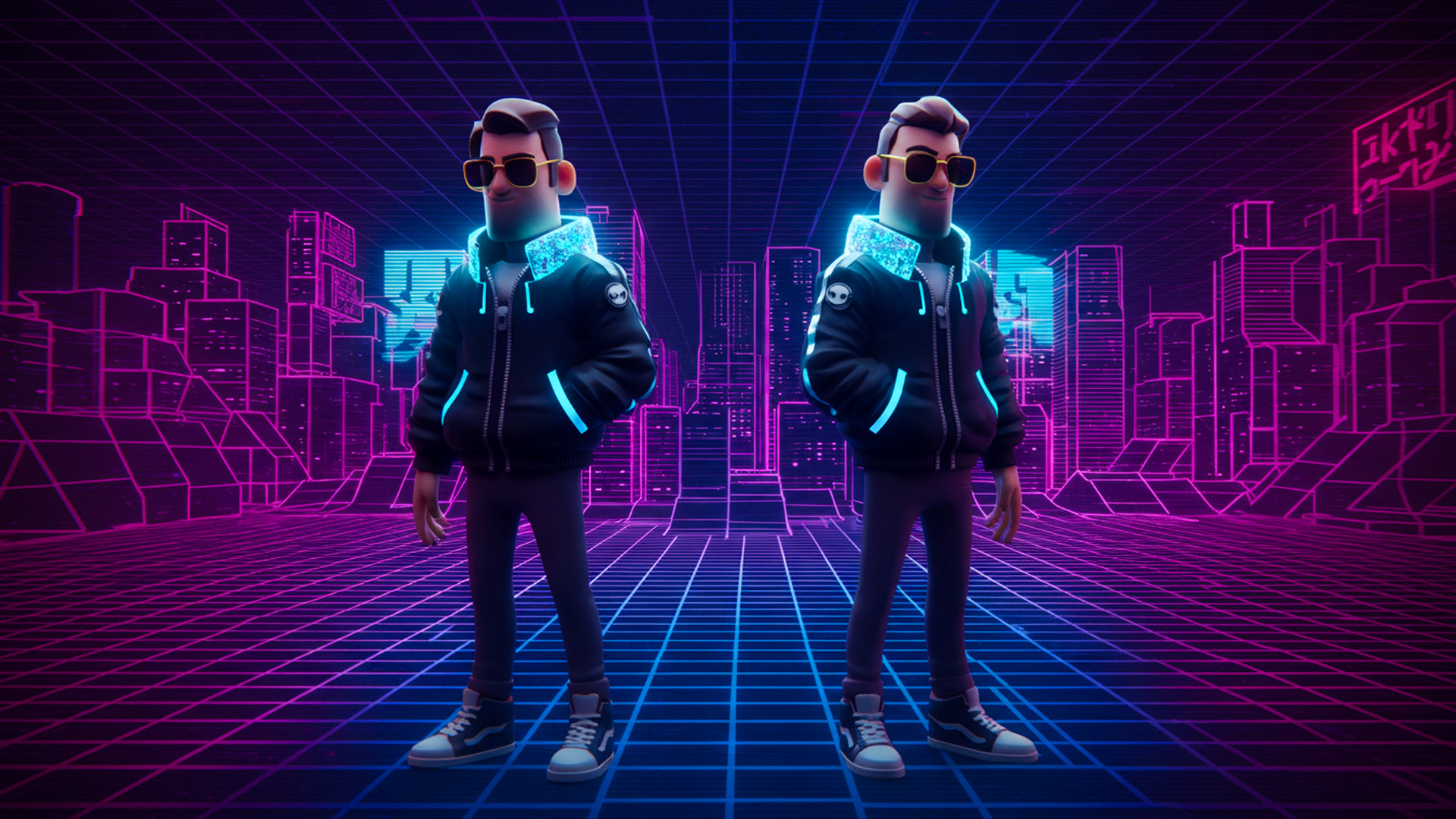
Entering A New Dimension Of Digital Experience
Core Technologies Powering Metaverse Platforms
Underlying Infrastructure and Protocols
The backbone of any metaverse platform is its robust underlying infrastructure, which is built on cutting-edge protocols and distributed architectures. This foundation is much like the framework of a futuristic city—engineered to support a diverse array of functionalities while ensuring scalability, resilience, and fluid interoperability. High-performance computing resources, decentralized networks, and blockchain systems converge to facilitate secure transactions, real-time interactions, and vast data exchanges. In these digital realms, protocols act as the linguistic rules that enable various components of the ecosystem to communicate seamlessly. By ensuring that each digital asset and user interaction adheres to standardized processes, metaverse platforms maintain consistency and trust in an environment where data integrity is paramount. This intricate architecture is the unsung hero that transforms visionary ideas into tangible, immersive experiences.
Consider the underlying protocols as the silent architects behind the scenes, ensuring every interaction is smooth and secure. They govern the way data is transmitted, stored, and verified across distributed networks, much like the meticulous planning required to construct a modern transportation system. As users navigate through virtual spaces, these protocols work tirelessly to authenticate identities, secure transactions, and maintain the integrity of digital assets. The synchronization between hardware and software in these environments is reminiscent of a finely tuned orchestra, where every instrument contributes to a harmonious performance. Through continuous advancements in networking and cryptographic technologies, the infrastructure behind metaverse platforms evolves, pushing the boundaries of what is possible in a digital universe. The result is an ecosystem that not only supports but also amplifies the limitless creativity of its users, paving the way for a new era of interactive digital experiences.
Immersive Technologies and User Interfaces
Immersive technologies serve as the sensory gateway into the metaverse, blending virtual reality, augmented reality, and mixed reality into a cohesive user experience. Picture stepping into a digital realm where every detail—from the subtle play of light on a virtual surface to the tactile feedback of an interactive object—is meticulously crafted to replicate or even enhance real-world sensations. These technologies rely on sophisticated hardware such as headsets, haptic devices, and motion sensors, all working in tandem with software algorithms that render detailed, responsive environments in real time. The user interface becomes the bridge that connects human intuition with the digital cosmos, translating complex commands into fluid, natural actions. This convergence of the physical and digital is akin to reading a high-definition, interactive map where every gesture and movement brings the virtual landscape to life in vivid detail.
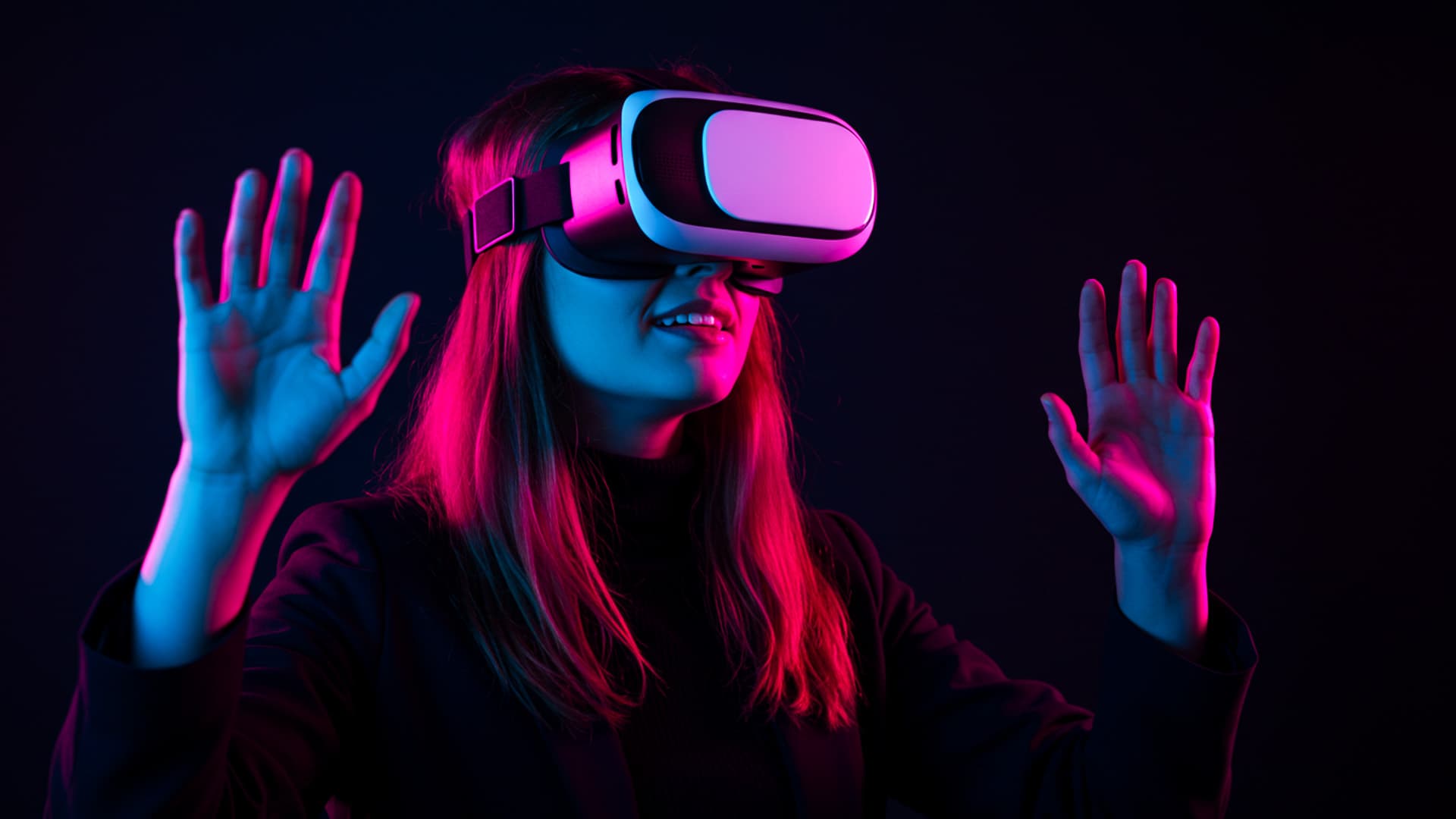
The development of intuitive user interfaces in metaverse platforms is a feat of technological artistry, designed to minimize friction and maximize immersion. Imagine a scenario where a user, donning a sleek VR headset, finds themselves effortlessly navigating a bustling virtual bazaar, interacting with digital objects as if they were tangible artifacts. Every action, from a simple gesture to a complex sequence of commands, is captured by advanced sensors and translated into instantaneous feedback within the digital realm. This immersive experience is enriched by adaptive interfaces that learn from user behavior, continually refining the interaction model to offer a more personalized journey. The fusion of hardware precision and software intelligence creates an environment where the boundaries between the digital and the physical blur, opening up new avenues for exploration, creativity, and engagement. In this way, metaverse platforms redefine human-computer interaction, transforming it from a transactional process into an intuitive, seamless dialogue between user and technology.
Security, Privacy, and Data Integrity
In a realm as expansive and interconnected as the metaverse, ensuring robust security, privacy, and data integrity is paramount. Digital ecosystems of this magnitude must incorporate a multi-layered approach to protect sensitive information and maintain user trust. The technologies employed range from advanced encryption protocols and decentralized identity verification systems to innovative blockchain solutions that guarantee the authenticity of transactions and digital assets. Think of these security measures as the impenetrable walls of a futuristic fortress, designed to fend off cyber threats while facilitating transparent and secure interactions among its inhabitants. Every piece of data exchanged, whether it is a virtual asset or personal information, undergoes rigorous validation and protection, ensuring that users can engage freely without compromising their privacy. This vigilant approach to digital security is essential in cultivating an environment where innovation can flourish without exposing vulnerabilities.
Privacy in the metaverse is treated as an invaluable asset, safeguarded by decentralized frameworks that empower users with control over their personal data. Imagine a scenario where every interaction within a virtual realm is encrypted and verified, much like a secret conversation guarded by state-of-the-art security protocols. Users can navigate these digital corridors with confidence, knowing that their identities and transactions are protected by an unyielding web of cryptographic measures. This paradigm shift towards decentralized privacy contrasts sharply with traditional centralized systems, where data breaches and surveillance have become all too common. By placing data integrity at the forefront, metaverse platforms forge a resilient environment that not only champions user security but also encourages innovative applications and interactions. The amalgamation of advanced security techniques and user-centric privacy controls underscores a fundamental principle: in the digital age, trust is built through transparency, innovation, and relentless commitment to protecting the integrity of every digital interaction.
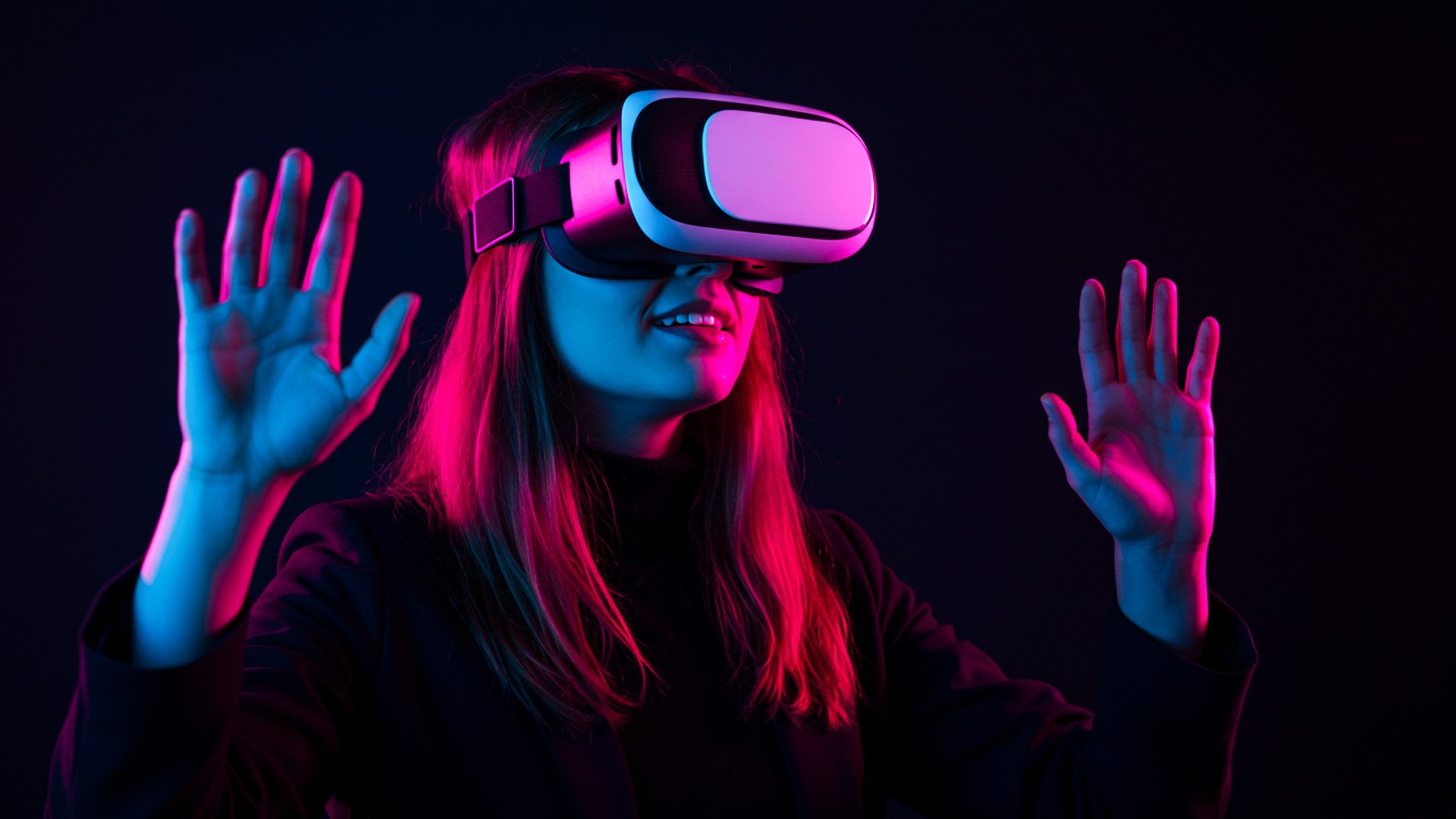
Core Technologies Powering Metaverse Platforms
Navigating Social and Economic Dimensions
Digital Economies and Virtual Assets
Digital economies within metaverse platforms are redefining traditional notions of value, trade, and ownership. In these immersive worlds, virtual assets such as digital art, virtual real estate, and even bespoke avatar accessories are not just ornamental—they represent tangible economic value. Imagine a bustling virtual marketplace where creators, investors, and everyday users interact seamlessly, trading items that exist purely in the digital realm yet hold real-world significance. These transactions are often powered by blockchain technology, ensuring that every asset has a verifiable provenance and scarcity akin to physical collectibles. This new economic paradigm challenges conventional financial models, much like a renaissance artist reinterpreting classical themes with a modern twist. In such a dynamic ecosystem, innovation and creativity drive economic activity, transforming digital interactions into vibrant marketplaces teeming with opportunity and growth.
The transformation of traditional economies into vibrant digital marketplaces is a phenomenon that resonates deeply with both technologists and economists alike. Within these platforms, virtual assets are minted, bought, and sold in decentralized environments that operate with remarkable transparency and efficiency. The concept is reminiscent of an elaborate bazaar where each stall represents a unique digital innovation, offering everything from rare collectibles to bespoke experiences. As transactions occur seamlessly through smart contracts, trust is inherently built into the system, allowing for secure and efficient exchanges without the need for intermediaries. This evolution is further enriched by community-driven initiatives, where users collaboratively shape the marketplace through creative endeavors and participatory governance. By blurring the lines between digital creation and economic value, metaverse platforms are not only crafting new avenues for financial interaction but also inspiring a cultural shift towards recognizing the intrinsic worth of digital assets.
Community Engagement and Social Dynamics
The social dynamics within metaverse platforms are as intricate and multifaceted as the digital environments they inhabit. At their core, these platforms are designed to foster genuine community engagement, encouraging users to interact, collaborate, and form meaningful relationships in a space that transcends physical limitations. Picture a vibrant digital forum where avatars from across the globe congregate, share ideas, and co-create experiences that resonate on both personal and collective levels. In such settings, social interactions are not confined by geographical boundaries or temporal constraints; instead, they evolve organically, much like a bustling city square that never sleeps. The fluidity of these interactions nurtures an environment where diversity is celebrated and creativity is unleashed, propelling social dynamics into a realm of endless possibilities. This ecosystem of engagement is underpinned by intuitive communication tools, virtual events, and interactive spaces that mirror the spontaneity and richness of real-world interactions.
As users traverse these virtual spaces, the social fabric of the metaverse is woven with threads of collaboration, shared creativity, and mutual respect. The platforms encourage a democratization of content creation, where every participant has the opportunity to contribute to the collective narrative. In many ways, the metaverse functions like a dynamic cultural amphitheater, where every performance and conversation is a testament to the diversity of human expression. This communal spirit is reinforced by innovative features such as live events, virtual meetups, and collaborative projects that invite users to actively shape their digital communities. The result is a tapestry of social interactions that is both vibrant and resilient—a digital microcosm that reflects the best aspects of human connectivity. In this way, metaverse platforms serve not only as a medium for entertainment and commerce but also as a fertile ground for cultivating lasting relationships and community bonds in a rapidly digitalizing world.
Monetization Models and Business Strategies
Monetization in the metaverse represents a radical shift in how digital content and services are valued, traded, and profited from. Business strategies within these platforms are evolving to accommodate a wide spectrum of revenue models that range from microtransactions and subscription-based services to innovative token economies. Imagine a scenario where a digital artist can earn royalties on every subsequent sale of their virtual creation, or where a startup launches a fully immersive service that blends social interaction with commerce in a way that was previously unimaginable. These monetization models are supported by decentralized financial systems that guarantee transparency and efficiency, ensuring that value flows equitably among creators, developers, and users alike. The shift toward digital monetization is akin to witnessing the birth of a new economic ecosystem, one where traditional business paradigms are continuously challenged by innovative, user-centric approaches that prioritize engagement and value creation.
Business strategies in the metaverse are characterized by their agility and adaptability, much like a nimble startup navigating a rapidly changing market landscape. Entrepreneurs are exploring novel revenue streams that leverage the unique attributes of virtual environments, such as interactive advertising, immersive brand experiences, and virtual property development. These ventures are not only reshaping how companies interact with their audiences but also redefining the very notion of customer engagement. Companies that once relied solely on physical storefronts or conventional online platforms are now investing heavily in digital experiences that offer immersive, interactive, and personalized engagements. This transformation is reminiscent of a traditional merchant reinventing their craft for a new era—one where the marketplace is boundless and every interaction is an opportunity for innovation. As metaverse platforms continue to mature, the business strategies emerging from this space signal a profound evolution in how value is generated and sustained in the digital age.

Navigating Social And Economic Dimensions
Future Implications and Real-World Applications
Innovative Use Cases and Industry Impact
Across diverse industries, metaverse platforms are catalyzing transformative innovations that bridge the digital and physical worlds. In sectors ranging from entertainment and education to healthcare and real estate, the metaverse is serving as a testbed for groundbreaking ideas and applications. Imagine a scenario where medical professionals use immersive simulations to practice intricate surgical procedures, or where educators create interactive, virtual classrooms that transcend the limitations of traditional learning environments. These innovations are not confined to a single niche; they resonate across the spectrum of human endeavor, driving efficiencies, creativity, and new business models. The metaverse is emerging as a versatile tool—a digital crucible where experimental concepts are refined and later adopted into mainstream applications. This dynamic interplay between technology and industry is reminiscent of the industrial revolutions of the past, where paradigm shifts fundamentally altered societal structures and economic landscapes.
As industries continue to explore the potential of metaverse platforms, real-world applications are becoming increasingly sophisticated and impactful. Consider the case of virtual real estate, where digital properties are bought, sold, and developed much like their physical counterparts, yet with the added dimension of limitless creativity. Businesses are leveraging these platforms to host immersive brand experiences, conduct virtual conferences, and even pilot new product lines in a risk-free, digitally simulated environment. The ripple effects of these innovations extend well beyond isolated projects; they are redefining how industries conceptualize value, engagement, and sustainability. This transformation is akin to watching a kaleidoscope of ideas, where each shift in perspective reveals new patterns of opportunity and growth. The ongoing integration of metaverse technologies into various sectors underscores a broader shift toward digital convergence—a future where the boundaries between online and offline experiences are not just blurred but seamlessly interwoven into the fabric of everyday life.
Regulatory Landscapes and Ethical Considerations
The rapid expansion of metaverse platforms brings with it an array of regulatory and ethical challenges that require careful navigation. As digital realms become more intricate and intertwined with everyday life, issues surrounding data privacy, intellectual property, and user rights assume critical importance. Regulators and policymakers are faced with the daunting task of crafting frameworks that safeguard user interests without stifling innovation. Imagine a bustling virtual metropolis where every transaction, interaction, and digital creation is subject to rigorous oversight, ensuring that ethical standards are maintained and abuses are swiftly addressed. The challenge lies in striking a balance between fostering an open, dynamic environment and imposing necessary controls that protect against exploitation and misuse. This balancing act is reminiscent of historical regulatory debates in traditional industries, yet it is compounded by the unique, borderless nature of the digital domain.
Ethical considerations in the metaverse extend beyond regulatory compliance, touching on broader issues of digital identity, representation, and community governance. As users increasingly invest time and resources into these virtual environments, questions arise about the nature of consent, the integrity of digital interactions, and the preservation of cultural values. The dialogue surrounding these issues is complex and multifaceted, drawing insights from legal experts, technologists, and ethicists alike. In many ways, the metaverse serves as a microcosm of societal values—a digital arena where debates about fairness, accountability, and inclusivity are played out in real time. By proactively addressing these ethical challenges, stakeholders can ensure that the evolution of metaverse platforms is guided by principles of transparency, respect, and collective responsibility. The convergence of technology and ethics in this context is not merely a regulatory necessity but a fundamental aspect of building a sustainable and equitable digital future.
Envisioning Tomorrow: The Metaverse Frontier
Looking ahead, the future of metaverse platforms is as exhilarating as it is unpredictable, teeming with potential breakthroughs and paradigm shifts. Envision a horizon where digital and physical realities are so seamlessly intertwined that the very notion of “virtual” becomes indistinguishable from everyday life. In this bold new era, advancements in artificial intelligence, quantum computing, and immersive media are expected to propel the metaverse into uncharted territories. Users may one day traverse environments that dynamically adapt to their emotional states, preferences, and even biometrics, crafting experiences that are both deeply personal and universally transformative. This vision is reminiscent of a science-fiction narrative where futuristic technology is harnessed to enrich human experiences, paving the way for new forms of interaction, creativity, and collaboration. The metaverse frontier is not simply a destination—it is an ongoing journey fueled by innovation, ambition, and the relentless pursuit of what lies beyond the conventional boundaries of reality.
As the metaverse continues to mature, its impact on society is poised to be profound and far-reaching. The convergence of diverse technologies and creative energies promises to usher in an era where digital experiences are as integral to our lives as physical interactions. Imagine communities formed not by geographic proximity but by shared digital experiences, economies that thrive on virtual innovation, and cultural expressions that transcend traditional media. This digital renaissance holds the potential to reshape industries, redefine social norms, and even transform how we conceive of identity and community. While the journey is fraught with challenges—ranging from regulatory hurdles to the ethical dilemmas of a borderless digital realm—the promise of a metaverse that enriches and empowers is a vision that continues to inspire. In this unfolding narrative, each technological advancement and creative breakthrough serves as a stepping stone toward a future where the digital and physical coalesce into a harmonious, integrated existence.
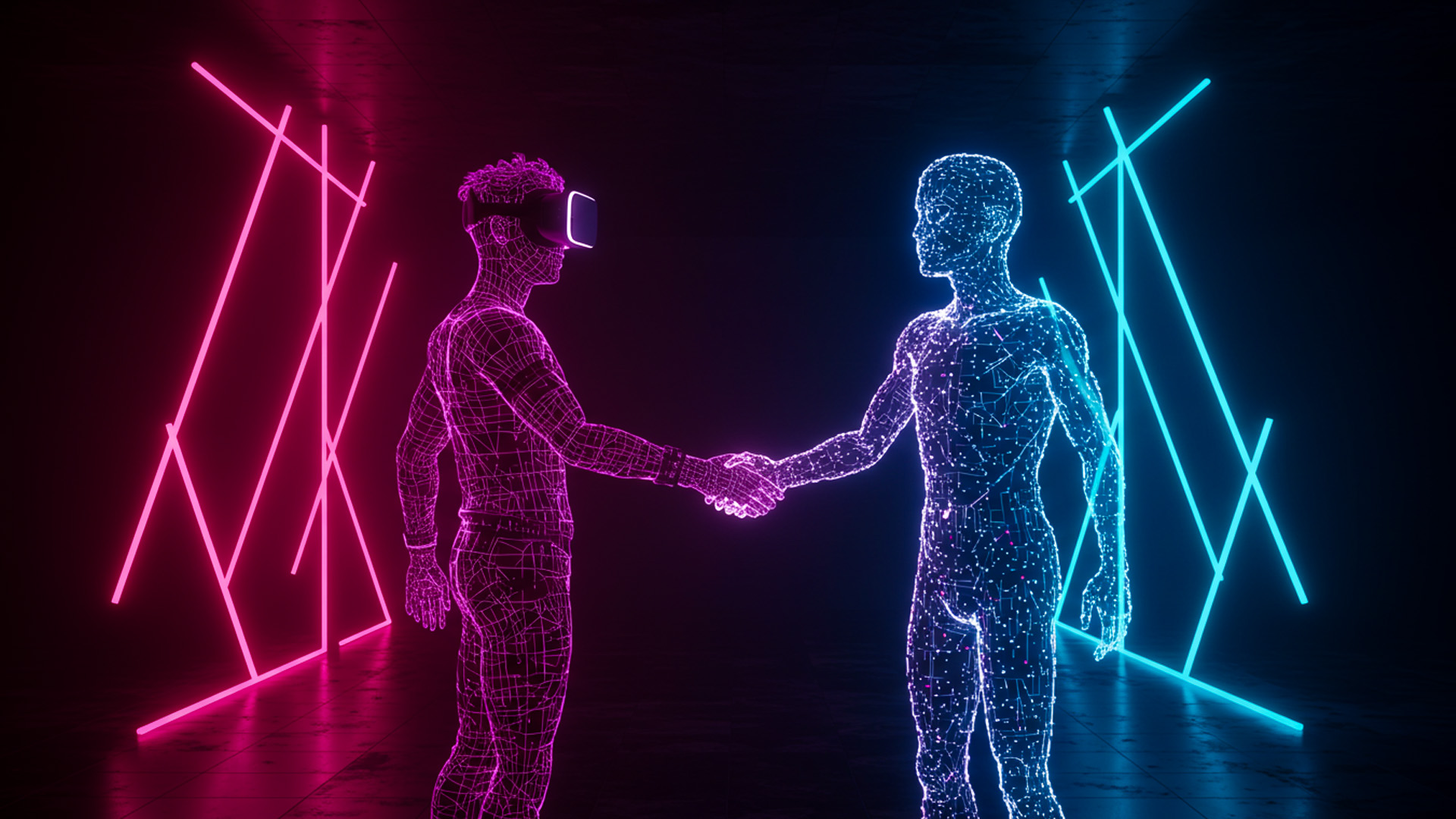
Future Implications And Real World Applications
Featured Media Gallery

Share this article with your network
Ronel Ferreira
Delivering expert insights into virtual reality, 360° video production, Matterport digital twins, and the spatial computing evolution across South Africa.
Ready to transform your brand with
cutting-edge immersive tech?
Consult with our spatial developers, 3D artists, and virtual event engineers in Johannesburg.